Peace of Mind
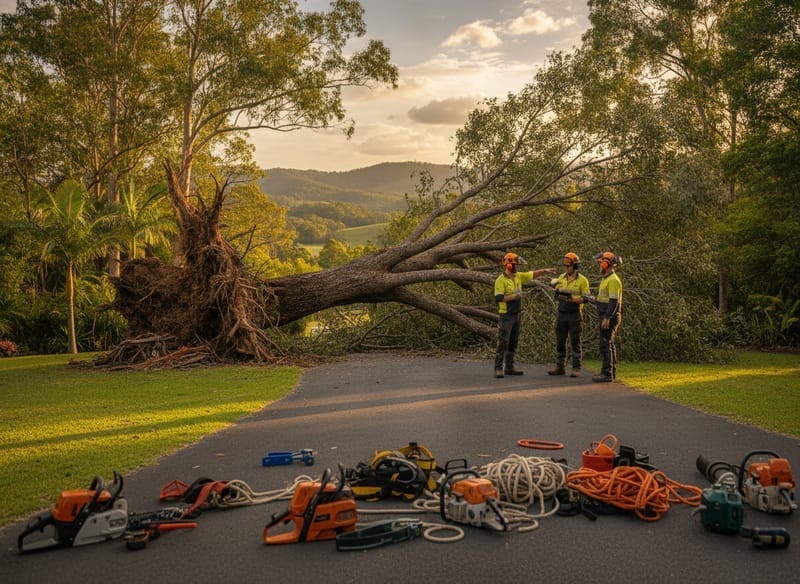
Sleep easily during winter westerlies knowing the dangerous tree over your roof is gone.
Safe, efficient, and fully insured tree removal for the steep and challenging blocks of Hobart's western foothills.
Providing expert tree removal across Dynnyrne and neighbouring Hobart suburbs.
When you need a Tree Removal in Dynnyrne, you need a team that understands the mountain terrain. From declining white peppermints to overgrown garden oaks, we handle it all.
Because Dynnyrne sits on the slope of kunanyi / Mount Wellington with shallow soils over dolerite, trees here often face root stability issues. We safely remove trees that pose an unacceptable safety risk to your home.
Sleep easily during winter westerlies knowing the dangerous tree over your roof is gone.
Stop aggressive root systems from damaging retaining walls and underground pipes.
Reclaim valuable backyard space on your sloping block.
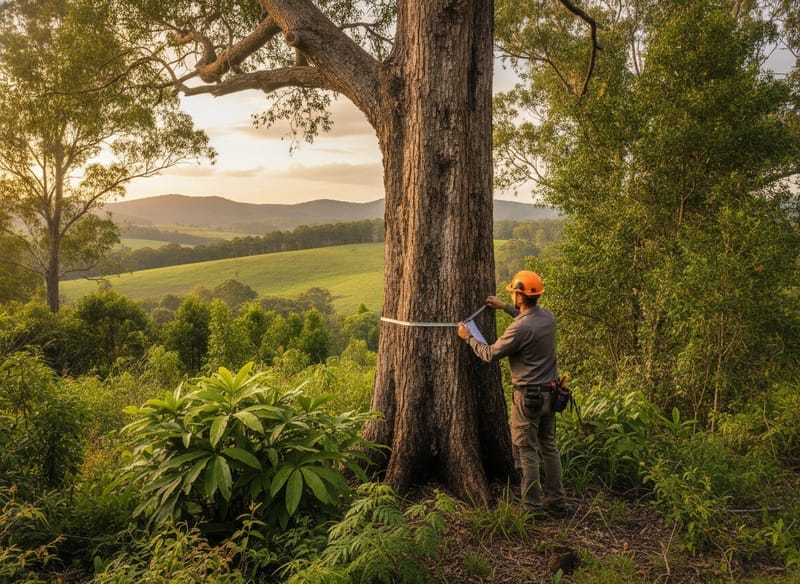
We evaluate the tree's location, lean, structural integrity, and drop zones.
We provide a fixed quote and advise if a City of Hobart removal permit is needed.
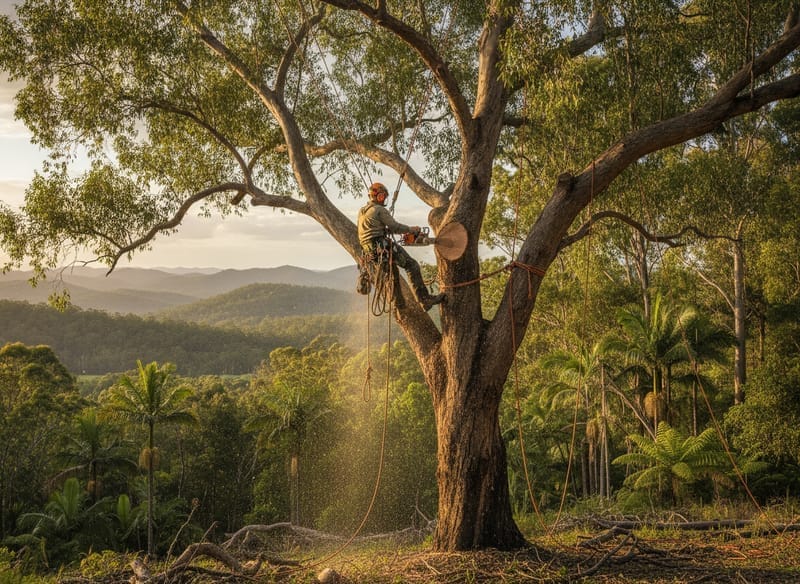
Our climbers take the tree down section by section to avoid property damage.
We chip the branches, remove the logs, and tidy the site.
Welcome to Hobart Arborist. When you need professional Tree Removal Dynnyrne, our local team of highly qualified arborists is equipped to handle the most challenging sites across the eastern foothills of kunanyi. Dynnyrne properties often feature a stunning but demanding mix of established heritage garden plantings—such as massive oaks, elms, and cedars—alongside native dry sclerophyll species like Tasmanian blue gum, white peppermint, and stringybark.
As these mature trees age, outgrow their space, or sustain structural damage from our notorious westerly frontal systems, they can pose serious risks to terraced gardens, outbuildings, and heritage homes. Getting the whole tree gone safely requires specialist rigging, advanced climbing techniques, and a deep understanding of local access constraints.
We do not simply hack away at a tree; our climbers meticulously dismantle it section by section, ensuring zero impact on your steep hinterland block. Whether you are dealing with a dead manna gum overhanging your roof line or clearing space for a new deck extension, we provide the highly technical, fully insured arboricultural services that Hobart residents rely on.
Attempting DIY tree work or hiring an under-qualified operator is a significant gamble that Dynnyrne homeowners simply cannot afford. Our local terrain is notoriously steep, characterized by shallow dolerite soils, terraced landscaping, and narrow, winding streets where property access is severely restricted. A misjudged felling cut by an amateur does not just damage boundary fences; it can send tonnes of heavy eucalypt timber crashing through residential roofs or sliding dangerously down sloped blocks.
Furthermore, poor industry practices like indiscriminate "topping" or "lopping" are heavily discouraged. While AS4373 dictates proper pruning standards, it also explicitly highlights why lopping is so damaging: it creates massive structural weaknesses, promotes unstable epicormic regrowth, and accelerates internal decay. If a tree on your property has been previously ruined by lopping and has become a hazard, attempting to save it is often futile. Complete removal is frequently the only safe, long-term solution.
Our AQF Level 3 climbing arborists take a highly controlled, scientific approach to tree removal. We assess the structural integrity of the timber, the prevailing wind loads, and the precise drop zones available on your site. By utilizing advanced rope-access techniques and complex friction rigging, we completely dismantle hazardous trees without relying on a simple straight fell. This ensures your property, surrounding heritage plantings, and neighbors are entirely protected from unpredictable impacts.
We utilize industry-leading techniques to completely dismantle and remove trees across Hobart's challenging terrain, ensuring absolute safety for your assets.
The absolute standard for steep, limited-access blocks in Dynnyrne. Our AQF Level 3 climbers access the canopy using modern double-rope techniques. We cut and lower the tree piece by piece using friction devices and heavy-duty rigging. This ensures that heavy eucalypt or oak limbs are guided safely to the ground without damaging the structures or fragile terraced gardens below.
Reserved for large, high-risk trees overhanging expensive homes, or sites where rear vehicle access is completely non-existent. We utilize slewing cranes to lift massive sections of timber straight up and over the house. This method is incredibly safe, highly efficient, and entirely eliminates the need to drop heavy logs onto your property.
Where driveway access and ground stability permit, we deploy tracked spider lifts or wheeled Elevating Work Platforms (EWPs). These specialized machines allow our arborists to position themselves perfectly for complex cuts on dead, dying, or highly unstable trees—such as a heavily decayed stringybark—without ever putting a climber's weight on compromised, unsafe timber.
Only viable on larger acreage blocks or open sites with a clear, highly predictable drop zone. We utilize precision directional felling cuts and specialized wedges to drop the entire tree safely in one piece. Once on the ground, our ground crews use high-powered chainsaws to cross-cut the trunk, while the canopy is rapidly processed into mulch using our high-capacity 12-inch wood chippers.
Getting a Tree Removal Dynnyrne project completed safely involves a rigorous, step-by-step process designed to manage site risks and ensure total clearance.
Step 1: On-Site Assessment and Quoting We visit your property to evaluate the tree's size, species, and structural condition. We assess the slope of the block, check for overhead power lines, and determine the safest access route for our tippers and chippers. You receive a detailed, written quote outlining the exact scope of removal.
Step 2: Council Compliance Check We verify if your tree is listed on the City of Hobart Significant Tree Register or sits within a local heritage precinct. If a permit or an AQF Level 5 arborist report is required, we guide you through the application process to ensure complete legal compliance before any chainsaws are started.
Step 3: Dismantling and Rigging Our crew arrives on time, setting up formal traffic management if we are working on a narrow Dynnyrne street. Using top-handle chainsaws and heavy rigging blocks, our climbers systematically dismantle the tree from the top down, lowering branches safely into the designated drop zone.
Step 4: Processing and Clean Up The canopy is fed into our high-capacity wood chippers to create garden mulch, while heavy trunk sections are loaded onto our trucks via loader cranes. We rake and blow down the entire site, ensuring your property is left immaculate.
Safety, rigorous training, and strict compliance are the backbone of our daily operations. Our climbing team holds AQF Level 3 in Arboriculture, guaranteeing that all hands-on dismantling and chainsaw operations are performed to the highest industry standards. For local development applications or council permit requirements, our consulting team holds AQF Level 5, allowing us to provide the formal arborist reports required by the City of Hobart.
We operate in strict alignment with AS4970 for the protection of retained trees on development sites, and we carefully consider AS3959 guidelines when managing asset protection zones in bushfire-prone areas against the mountain fringe. Every removal project we undertake is backed by comprehensive public liability and WorkCover insurance, providing total peace of mind.
Navigating the regulations for Tree Removal Dynnyrne requires a firm understanding of both local terrain and legislation. Dynnyrne properties fall under the Tasmanian Planning Scheme - Hobart, which protects the urban canopy largely through the Local Historic Heritage Code. Unlike mainland councils that use blanket trunk-size triggers, Hobart protects trees primarily by listing them.
If you possess an established oak, elm, or native blue gum that is explicitly listed on the Significant Tree Register, or if your property sits within a heritage precinct, you will generally need a council permit for removal. While standing exemptions exist for unacceptable safety risks or dead wood, we strongly advise having our AQF Level 5 arborist formally assess and document a dying tree to prove the exemption applies.
Physically, the eastern foothills of kunanyi present unique challenges. Landslip Hazard Code mapping applies across parts of the residential slope, and heavy vehicle access is often restricted. Our specialized rope-access methods are specifically tailored to navigate these tight, dolerite-heavy terrains securely.
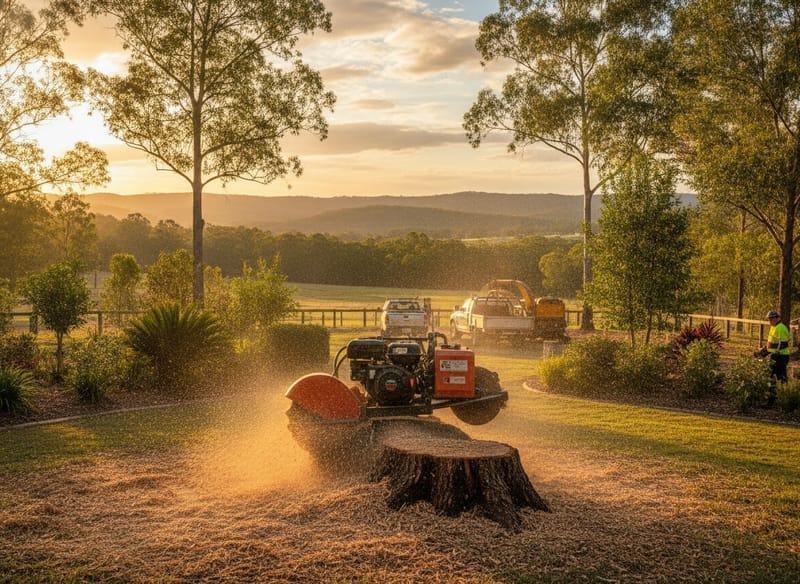
Once we have completed the canopy and trunk removal, the immediate structural hazard is gone, but there are a few final steps to consider. The dismantling process will leave a stump cut close to ground level. If you plan to replant in the same location, lay new turf, or build a retaining wall, we highly recommend booking our stump grinding service to destroy the root crown and allow the dolerite soil to settle evenly.
If your removal was executed as part of an approved development application, you may have specific replanting obligations under AS2303 stock standards. Ensure you water new replacement trees deeply during Hobart's drier summer months to establish their root systems effectively.
The cost of Tree Removal in Dynnyrne depends heavily on the block's access and the size of the tree.
We provide free, written quotes so you have absolute cost certainty before the chainsaws start.
We fell and remove trees throughout Dynnyrne and the wider Hobart region.
Contact our expert Dynnyrne tree removal crew for a free site assessment.
Get a Free Quote