Restored Property
Get your garden, driveway, and fences clear of messy storm debris quickly.
Comprehensive cleanup of fallen limbs, snapped branches, and unstable trees following severe Hobart weather.
Post-storm cleanup across North Hobart and surrounding suburbs.
Our Storm Damage Tree Removal North Hobart service handles the aftermath of severe weather, clearing your property safely.
North Hobart's mature elms, oaks, and eucalypts are particularly vulnerable to snow loading in winter and intense north-westerly winds. We know how to manage the massive debris generated by these events.
Get your garden, driveway, and fences clear of messy storm debris quickly.
We address cracked and weakened branches before the next storm hits.
We take away all the waste, leaving you with a clean, safe yard.
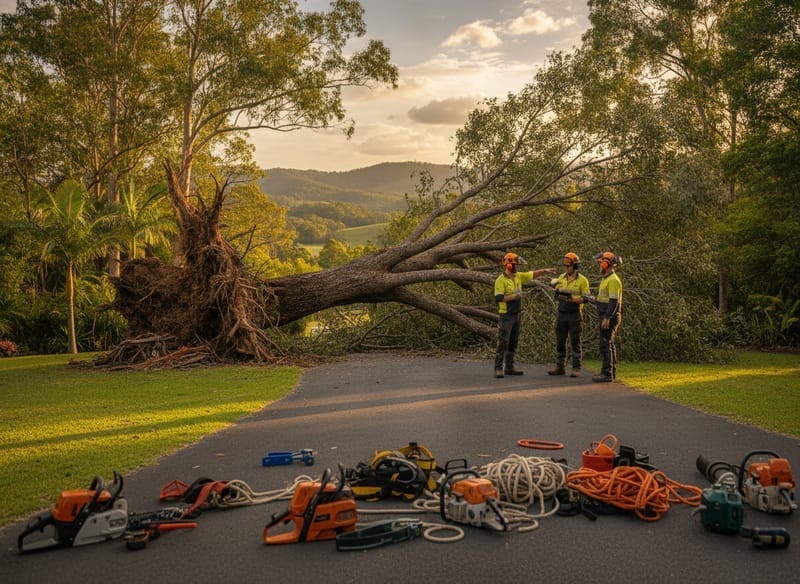
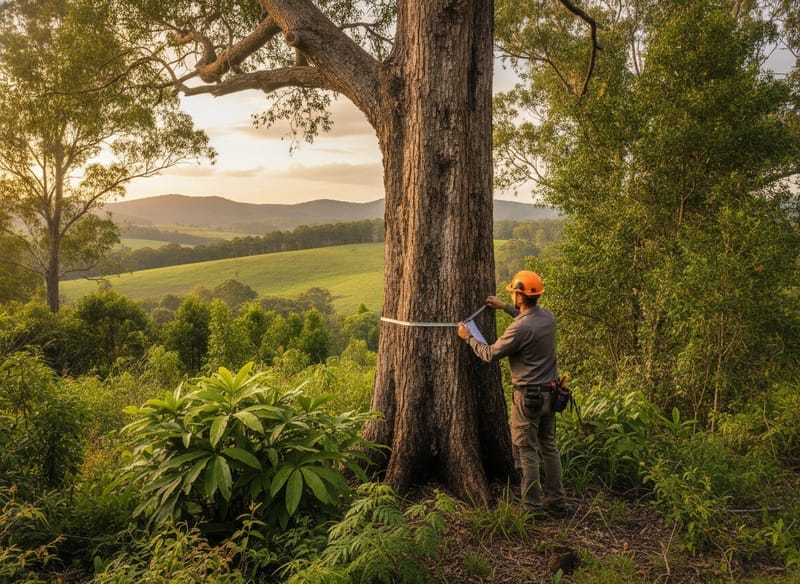
We assess the storm damage across your North Hobart property to prioritise hazards.
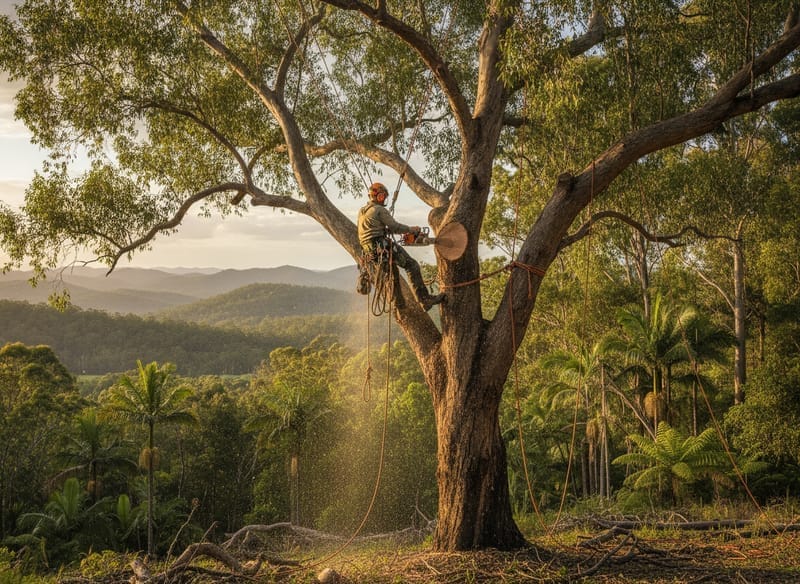
We look up. Our climbers inspect the trees for any broken limbs still hanging in the canopy.
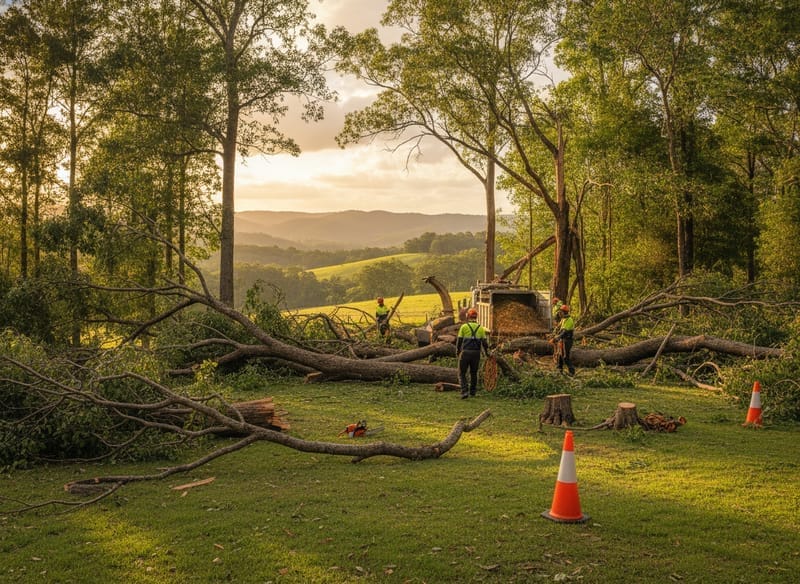
Using chainsaws and chippers, we process all fallen timber and branches.
We rake and clear the area, removing all green waste from the site.
When severe westerly winds and intense winter fronts sweep across the slopes of kunanyi / Mount Wellington, local properties often bear the brunt. We provide rapid, professional Storm Damage Tree Removal North Hobart residents can rely on when mature trees fail. Whether a Tasmanian blue gum has dropped heavy limbs onto your roof or a heritage elm has suffered severe root-plate failure in saturated soils, our local team is ready to respond.
We know the unique terrain and established canopy of North Hobart intimately. Steep blocks, narrow access lanes, and close-quarter heritage homes mean storm recovery here isn't just about chainsaws; it requires strategic, highly skilled arboriculture. From immediate make-safe operations to full hazard removals, our climbers and ground crews act decisively to protect your property and restore safety.
Storm-damaged trees are incredibly unpredictable. Unlike a standard removal where weight and tension are calculated in advance, a fractured or hung-up tree holds immense, hidden kinetic energy. Attempting DIY storm cleanup or hiring under-qualified operators frequently leads to catastrophic property damage, severe injury, or worse. Chainsaw pinches, sudden limb rolls, and snapping branches are common when tension is released incorrectly.
Furthermore, poor cleanup efforts often result in heavy "lopping" or "topping" of surviving trees in a panic. This directly violates the AS4373 pruning standard, leaving massive wounds that invite decay and prompt weak, hazardous epicormic regrowth. A tree that could have been saved via selective target pruning is instead ruined.
Our qualified arborist team takes a totally different approach to storm damage. We methodically assess each compromised tree for tension, compression, and structural integrity before making a single cut. Using rope-access techniques, advanced rigging, and elevating work platforms (EWPs), we safely dismantle storm-wrecked timber piecemeal. We can also provide the detailed photographic evidence and itemised quotes your insurer needs, turning a chaotic emergency into a controlled, professional recovery operation.
Handling storm-damaged timber on the steep, tightly packed streets of North Hobart requires specialised equipment and precise technical execution.
We immediately assess and tag compromised trees. High-priority hazards (e.g., branches resting on roofs or powerlines) are isolated. We use static rigging to secure splitting trunks and hung-up limbs to prevent secondary failure before the main dismantle begins.
Due to North Hobart's narrow streets and steep rear gardens, EWPs often cannot reach the canopy. Our AQF Level 3 climbers utilize advanced double-rope techniques and friction devices to safely lower heavy, fractured timber to the ground without damaging the structures below.
When a massive oak or stringybark has completely uprooted and rests on a house, standard felling is impossible. We utilize crane-assisted removals to lift multi-ton sections vertically out of the site, minimizing further impact on your home.
Storm-thrown trees are often pinned under extreme tension. We employ specialized winches and structural analysis to carefully release stored energy, preventing explosive limb kicks that endanger personnel and property.
Using high-capacity wood chippers (up to 12-inch) and tipper trucks, we efficiently process broken branches and fallen canopies into mulch. Large logs are cut to manageable lengths and removed via skid steers or loader cranes.
When severe weather strikes North Hobart, our priority is securing your property quickly and efficiently. Here is exactly how our team handles storm damage from your first call to final cleanup.
1. Rapid Response and Triage Assessment We arrive promptly to evaluate the damage. We walk the property to identify immediate hazards—like a fractured eucalypt limb threatening a bedroom—versus secondary cleanup tasks. We immediately secure the area to keep your family safe.
2. Insurance-Ready Quoting We understand that insurance companies require specific documentation. We photograph the damage extensively and provide a highly detailed, itemised quote breaking down the scope for each affected tree. This streamlines your claims process.
3. Immediate Make-Safe Operations If a tree is resting on a structure or threatening imminent collapse, we conduct emergency make-safe works. This involves strapping, propping, or removing the immediate weight off the asset using rope-access climbing or cherry pickers.
4. Systematic Removal and Processing Once the site is stable, we execute the full removal. We use advanced rigging to dismantle hung-up canopies piece by piece. Ground crews process all debris through our high-capacity chippers.
5. Complete Site Cleanup We rake and clear your property, removing all storm debris, logs, and mulch unless you request to keep it for your garden. We leave your yard safe, tidy, and ready for the next phase of recovery.
When dealing with emergency removals, absolute compliance is non-negotiable. Our operations strictly align with the AS4373 standard for any remedial pruning on storm-damaged trees, ensuring surviving canopies retain their structural integrity. We never engage in destructive lopping practices.
Our crew consists of highly trained AQF Level 3 climbing arborists and AQF Level 5 consulting arborists, fully ticketed in advanced tree felling, working at heights, and EWP operation. Most importantly, our business is fully covered by comprehensive Public Liability and WorkCover insurance, protecting your North Hobart property against any contingency during high-risk storm recovery work.
Conducting Storm Damage Tree Removal North Hobart requires deep local knowledge. The western shore of the Derwent rises steeply into the foothills of kunanyi, bringing shallow dolerite soils and strong westerly frontal winds. This combination regularly leads to root-plate failures and snapped limbs in large European garden trees (like oaks and elms) as well as native dry sclerophyll eucalypts (such as white peppermint and stringybark).
In North Hobart, access is often the biggest hurdle. Many terraced properties lack rear vehicle access, making tracked spider lifts and specialized rope climbing essential. Furthermore, tree work is heavily governed by the Tasmanian Planning Scheme - Hobart. While true emergency work on a genuinely dangerous tree often falls under safety exemptions, any significant heritage tree listed on the City of Hobart Significant Tree Register or within the Local Historic Heritage Code requires careful documentation. Our AQF Level 5 arborists provide the necessary written statements to satisfy council requirements, even in an emergency.
After the immediate storm debris is cleared, it is crucial to monitor the trees that survived. Sudden wind exposure can leave previously sheltered trees vulnerable to the next gale. Watch for newly forming cracks in the trunk, lifted soil around the root plate, or sudden leaf browning.
If we performed remedial pruning to save a damaged tree, water it deeply and avoid applying high-nitrogen fertilizers that push weak, sappy growth. We recommend scheduling an inspection every 12 to 18 months, or before the next winter storm season, so we can assess structural stability and perform any necessary formative pruning to keep your canopy safe.
Storm damage cleanup is priced based on the volume of debris and the complexity of extracting hung-up branches.
Call us for a free, rapid quote to clear your storm-damaged property.
We provide storm cleanup services across the foothills and inner city.
Contact our team for fast, professional clearing of storm debris.
Request a Cleanup Quote