Healthier Trees
Clean cuts and proper structural pruning promote vigorous, healthy growth.
Preserving the health, safety, and beauty of your trees with AS4373-compliant pruning.
Specialist tree pruning for Ridgeway, Mount Nelson, and South Hobart.
Our Tree Pruning Ridgeway service focuses on long-term tree health and structural stability.
Ridgeway's heavy winter westerlies can easily snap over-extended branches. Selective pruning reduces wind resistance and prevents major limb failure.
Clean cuts and proper structural pruning promote vigorous, healthy growth.
Crown lifting and thinning let winter sun into your Ridgeway property.
Removing deadwood and reducing end-weight prevents branches from tearing in high winds.
We evaluate your trees to determine the exact pruning required for their species and age.
We agree on the goal: clearance, light, safety, or structural improvement.
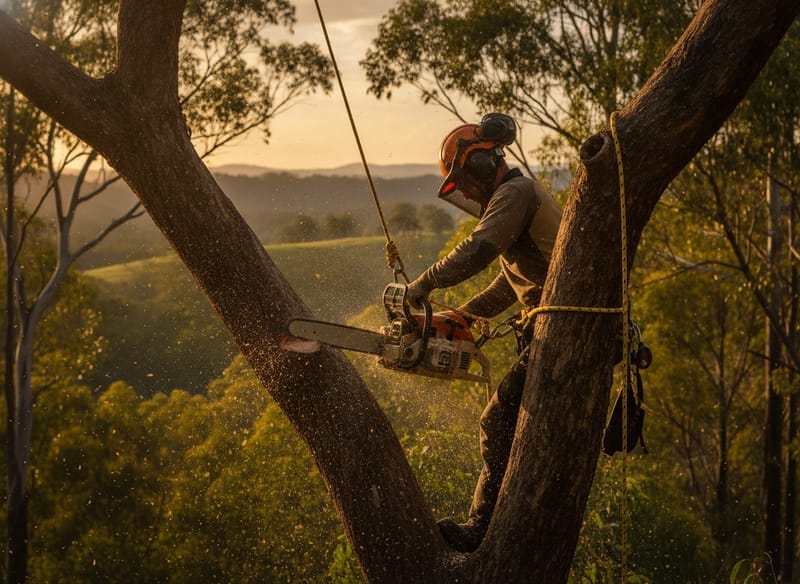
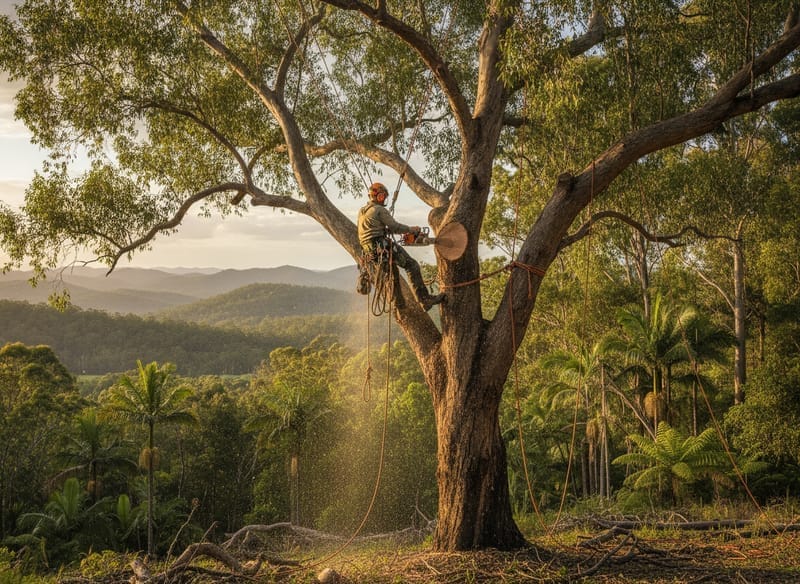
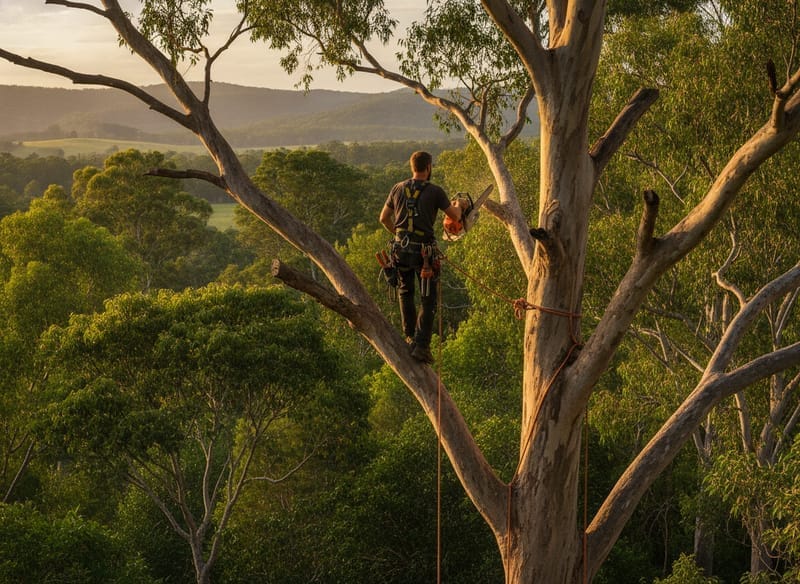
Our climbers access the canopy using ropes, making precise, clean cuts.
All pruned branches are chipped and removed from your property.
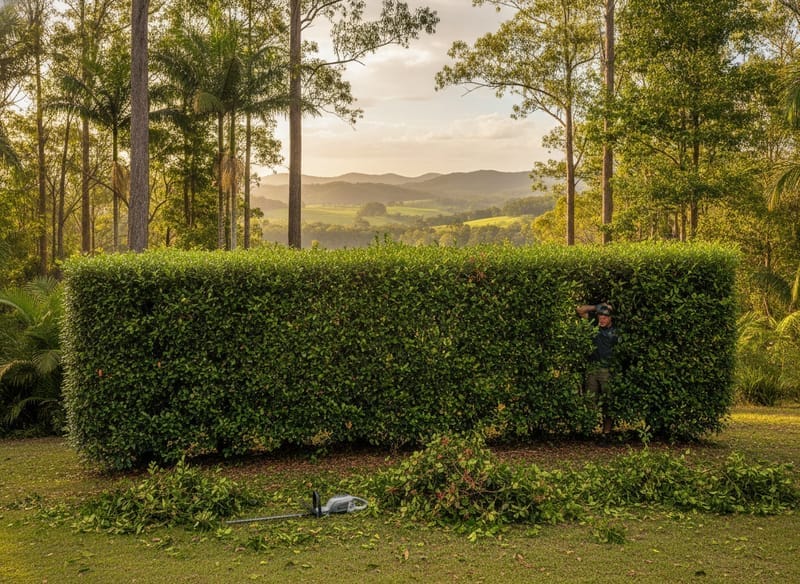
We ensure the tree's natural form is retained and the site is perfectly clean.
Living on the steep slopes of kunanyi / Mount Wellington offers incredible bushland settings, but it requires active and careful management of the canopy above your home. When you need expert Tree Pruning Ridgeway, Hobart Arborist is your local, qualified team. We understand that pruning isn't just about cutting branches; it’s about managing the structural integrity and health of your trees in a cool temperate climate that regularly throws intense westerly winds our way.
Ridgeway properties are deeply integrated with wet and dry sclerophyll bushland, featuring towering Tasmanian blue gums, white peppermints, and stringybarks right on the residential interface. Whether you are managing bushfire hazards, clearing branches away from your roofline, or restoring the form of an established garden oak, our team provides targeted, precision pruning. We climb the steep, access-limited blocks of Ridgeway every day, using advanced rope techniques to ensure your trees remain safe, beautiful, and a lasting asset to your property.
A common and dangerous mistake property owners make is hiring under-qualified operators to simply 'chop back' or 'lop' a tree. Lopping or topping involves cutting branches indiscriminately between nodes, leaving large, blunt stubs. This practice is explicitly discouraged under the Australian Standard AS4373, and for good reason—especially in Hobart’s windy foothill suburbs.
When a tree is lopped, it responds by rapidly pushing out epicormic regrowth. These new shoots are weakly attached to the outer bark rather than structurally bound to the heartwood. When the strong westerly and north-westerly frontal systems roll over Ridgeway in winter and spring, these weak branches are the first to snap and fall onto roofs, powerlines, or driveways. Furthermore, large, flush cuts or stub cuts act as entry points for disease and decay, drastically shortening the tree's safe lifespan.
Our team takes a strictly AS4373-compliant approach to pruning. We only perform target pruning and make cuts exactly at the branch collar, which allows the tree to naturally compartmentalise the wound and heal over. By selectively thinning the canopy rather than butchering it, we reduce wind sail and weight while preserving the tree's natural form and structural integrity. Keep your trees—and your property—safe by avoiding the cheap, damaging alternatives.
As qualified arborists, our team utilises industry-best techniques defined by AS4373 (Pruning of Amenity Trees). We do not lop or top trees. Here is how we expertly manage and improve your canopy.
The selective removal of small live branches throughout the canopy. This reduces wind resistance and allows light to penetrate, which is critical during heavy Hobart winter storm events, all without altering the tree's natural shape. We strictly remove no more than 25-30% of live foliage in a single prune.
Precision removal of lower branches to increase vertical clearance under the canopy. This is essential for Ridgeway driveways, pedestrian paths, and maintaining sight lines or fire vehicle access around steep properties.
The targeted removal of dead, dying, or diseased limbs. Deadwood is a major hazard during high winds. We safely extract these hazardous branches over living areas and roofs before they fail and cause property damage.
Strategic pruning to resolve specific property conflicts. We expertly prune limbs back to suitable lateral branches to clear roof lines, manage co-dominant stems, or reduce weight on over-extended branches.
Early structural pruning for young trees. By establishing a strong single dominant leader and well-spaced scaffold branches early on, we prevent structural defects from developing as the tree matures.
Carefully reducing the height or spread of a tree by pruning back to appropriate growth points. Unlike topping, this preserves the tree's health and structural framework, though it is used sparingly and only when appropriate.
Delivering high-quality Tree Pruning Ridgeway requires a methodical, safety-first approach tailored to the unique terrain of the area. From your first call to the final cleanup, here is how our team manages your job.
Professional tree work on steep terrain requires stringent safety and compliance protocols. Our team consists of highly skilled AQF Level 3 climbing arborists and AQF Level 5 consulting arborists, ensuring every cut meets AS4373 standards.
We are fully insured for public liability and hold comprehensive WorkCover insurance for all our staff. From top-handle chainsaws to advanced double-rope climbing techniques and EWP tickets, our climbers have the qualifications to work safely at heights. Whether we are operating over a fragile roofline or navigating the steep, difficult access blocks typical of the Hobart slopes, our rigorous safety systems protect your property and our crew.
Managing trees in this area means understanding the Tasmanian Planning Scheme - Hobart, particularly the Local Historic Heritage Code. The City of Hobart protects significant trees through a dedicated register. Fortunately, pruning a listed tree to improve its health or appearance is generally exempt from requiring a permit, provided the normal growth habit is not retarded.
However, significant lopping or canopy reduction on listed trees, or extensive work in heritage precincts, requires a formal application—often supported by an AQF Level 5 arborist report. Additionally, Ridgeway's position in the foothills means the Landslip Hazard Code frequently applies to property development and vegetation management on steep dolerite soils.
Our team understands the local environment. We routinely prune dominant native eucalypts—like manna gums and white peppermints—along the bushfire interface, as well as heritage European species like oaks and elms in established gardens. We ensure all pruning complies with local exemptions and keeps your property safe.
After a professional prune, your tree requires minimal immediate intervention, as proper branch-collar cuts will naturally compartmentalise and heal over time. We recommend keeping the tree well-watered during the drier Hobart summer months to reduce stress.
We can also leave the freshly chipped mulch on-site; spreading it over the root zone helps retain soil moisture and improves soil biology. It is always wise to monitor your large eucalypts after major westerly wind events or heavy winter snow loads on the mountain. If you notice any hanging branches or newly cracked limbs, contact our team promptly for an inspection to maintain ongoing safety.
Pricing for Tree Pruning Ridgeway depends on the canopy size and access.
We offer free, clear quotes so you know the exact cost of proper tree care.
We provide AS4373-compliant pruning across the western Hobart foothills.
Contact our qualified arborists for proper, standards-compliant tree care.
Get a Free Quote