Aesthetic Harmony
Remove out-of-place palms to restore the traditional European or native aesthetic of your garden.
Safe extraction and cleanup of messy, overgrown palms in tight spaces.
Specialized removal across Sandy Bay, Battery Point and New Town.
Our Palm Tree Removal Sandy Bay service deals with exotic palms that have outgrown their space or clash with your heritage streetscape.
While not a tropical zone, many sheltered coastal gardens in Sandy Bay feature large exotic palms planted decades ago. These often outgrow small courtyards and require complex rope rigging to remove safely.
Remove out-of-place palms to restore the traditional European or native aesthetic of your garden.
Stop dealing with heavy, constantly dropping fronds and messy seed pods.
Open up valuable courtyard space and allow more light into your home.
We evaluate how to safely extract the heavy, water-logged palm trunk from your property.
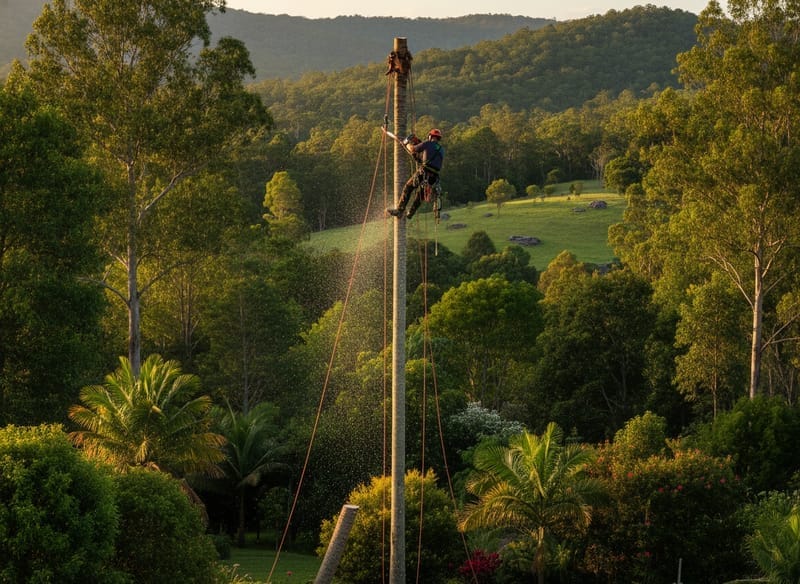
We strip the canopy, safely lowering fronds and seed pods.
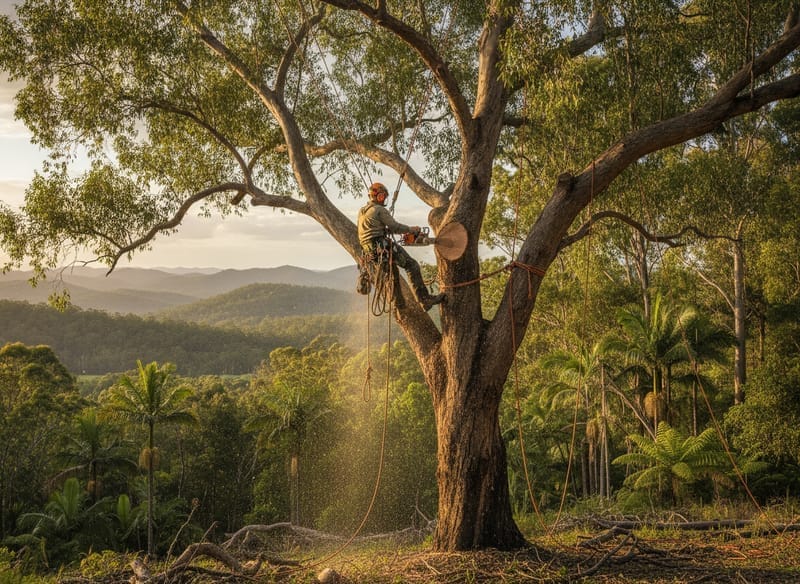
The trunk is blocked down in manageable sections using ropes to protect the ground below.
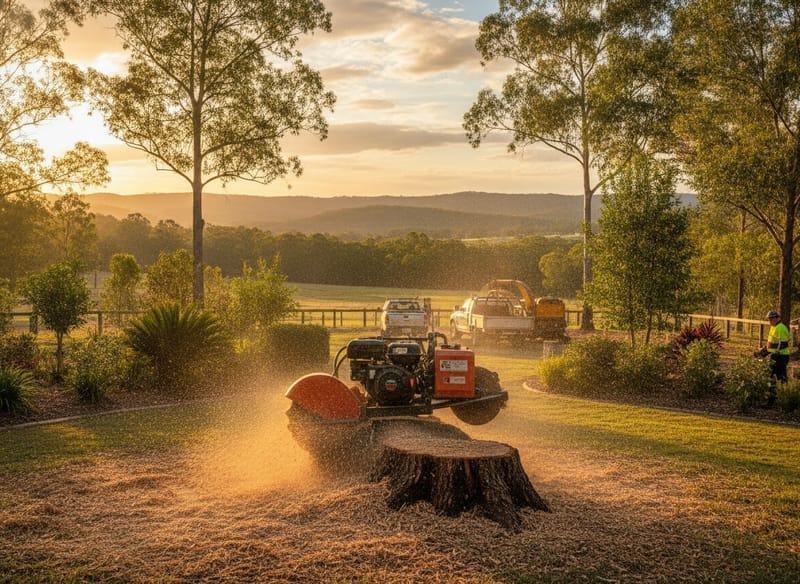
We grind the dense, fibrous root ball to allow for replanting.
All incredibly heavy palm waste is loaded and removed from the site.
When it comes to Palm Tree Removal Sandy Bay, Hobart Arborist is the trusted local team equipped to handle the unique challenges of the city's premier western shore. While Hobart is characterised by a cool temperate maritime climate rather than a subtropical one, historic garden plantings from the 1880s to the 1920s have left many Sandy Bay properties with enormous, cold-hardy palms. Species such as the Canary Island Date Palm and towering Washingtonia palms thrive here, but they frequently outgrow their spaces, encroaching on rooflines, dropping massive fronds, and damaging historic retaining walls.
Our team of certified arborists understands that removing large palms on steep, terraced blocks requires specialised technical skills. From properties nestled against the foothills of kunanyi / Mount Wellington to waterfront homes along the Derwent, we possess the rigging expertise, elevated work platforms, and climbing knowledge to dismantle large palms safely. Whether you need a complete extraction or hazardous seed pod removal, we protect your landscaping, comply with local council regulations, and leave your property immaculate.
Attempting Palm Tree Removal Sandy Bay without proper training or equipment is incredibly dangerous and frequently leads to severe property damage or personal injury. Palms are fundamentally different from broadleaf trees. Their trunks consist of dense, wet, fibrous material that instantly dulls standard chainsaw chains and binds cutting equipment. Furthermore, species like the Canary Island Date Palm possess highly toxic, needle-like spikes at the base of their fronds, which can cause serious infections and puncture wounds if mishandled by an untrained homeowner.
Beyond the physical danger, poor pruning practices by unqualified loppers—such as over-clearing the frond skirt—can leave palms exposed to disease, pest infestation, and structural failure during the heavy westerly wind events we experience through winter and spring.
Our solution relies on proven arboriculture practices. Our AQF Level 3 climbing arborists use specialised palm-climbing spikes, proper single and double-rope access techniques, and heavy-duty top-handle chainsaws designed to process fibrous material. We dismantle the canopy piece by piece, safely rigging heavy fronds and massive seed clusters down to the ground. By following the safety frameworks outlined in AS4373 (Pruning of Amenity Trees), we ensure that retained palms remain healthy and structurally sound, and removed palms are extracted without risking your home or heritage garden features.
Palms require entirely different extraction techniques compared to standard hardwood trees. Our crew utilises specialised equipment and advanced rigging methods to safely manage these massive monocots across Hobart's challenging, steep terrain.
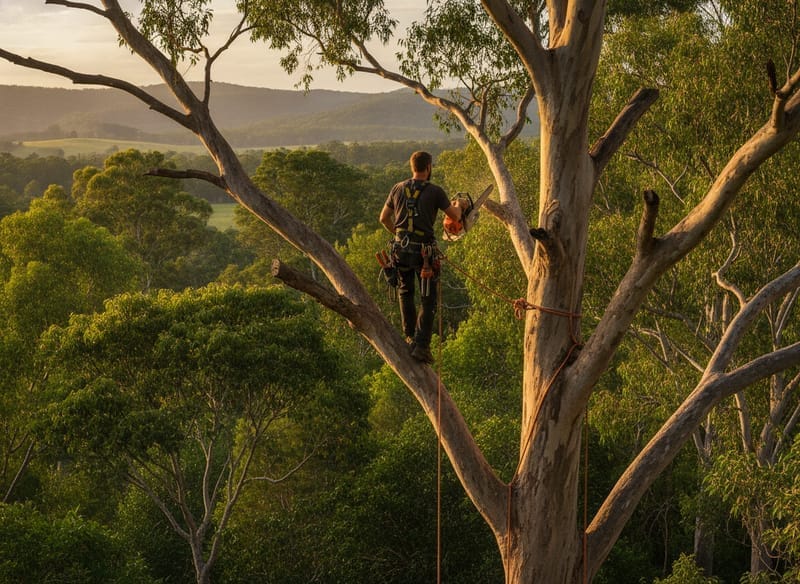
Because many terraced blocks in Sandy Bay lack rear vehicle access, our AQF Level 3 climbers ascend the palm using professional climbing spikes. We meticulously remove the heavy lower fronds and seed pods before chunking down the fibrous trunk into manageable blocks. Each section is carefully lowered into a controlled drop zone to protect underlying garden beds, paving, and historic retaining walls.
For massive, established palms trapped behind heritage homes or overhanging expensive infrastructure, we utilise crane-assisted removal. This highly technical process involves securing the palm crown and trunk sections to a crane hook, allowing our arborists to cut and instantly hoist heavy material safely over your roofline, entirely avoiding the ground below.
If you wish to retain your palm, we provide comprehensive canopy cleaning. We safely remove heavy, dying fronds and messy fruit clusters before they ripen and drop onto your driveway or pedestrian pathways. This annual maintenance prevents slip hazards, mitigates pest attraction (like rodents and birds), and drastically improves the aesthetic of the palm.
Palm material is notoriously wet, stringy, and unsuitable for standard garden mulch. Instead of leaving you with a pile of unusable, slow-rotting debris, we feed the fronds through our high-capacity 12-inch wood chippers. The heavy trunk sections are mechanically loaded into our tipper trucks and entirely removed from your Sandy Bay property for specialized green waste processing.
Step 1: On-Site Assessment and Strategy Our process begins with a thorough inspection of your Sandy Bay property. We assess the palm's species, height, and health, while evaluating site access, overhead service lines, and proximity to your home. Because the foothills of kunanyi sit on shallow soils over dolerite, we carefully plan the safest dismantling method for your specific terrain.
Step 2: Quotation and Heritage Compliance Check We provide a transparent, detailed quote for the complete removal and cleanup. Crucially, we cross-reference your address with the Tasmanian Planning Scheme - Hobart. We check if your property falls under the Local Historic Heritage Code or if the palm is listed on the City of Hobart Significant Tree Register, advising you on any necessary consulting arborist reports or council permits required before work commences.
Step 3: Rigging and Safe Dismantling On the scheduled day, our crew arrives with the necessary elevated work platforms, chippers, and rigging gear. Our climbers ascend the palm, safely tying off and lowering the dangerous spiked fronds. We then systematically block down the dense trunk, using lowering ropes to ensure no heavy material crashes onto your terraced gardens.
Step 4: Complete Site Clean-Up We pride ourselves on leaving your property immaculate. All fronds are chipped, and the heavy trunk rounds are loaded into our trucks via mini-loaders or loader cranes. We sweep and rake the site, leaving no fibrous mess behind.
All palm pruning and removal work is executed by fully qualified professionals. Our climbers hold AQF Level 3 in Arboriculture, ensuring they have the precise technical training required for high-risk rope access and advanced chainsaw operation. For properties requiring council approval, our AQF Level 5 consulting arborists can provide the necessary tree risk assessments and AS4970 tree protection plans.
We carry comprehensive Public Liability and WorkCover insurance, protecting your property and our staff entirely. Our operations comply with AS4373 (Pruning of Amenity Trees), and our crews hold current Working at Heights and Elevating Work Platform (EWP) tickets, ensuring the highest safety standards on every Sandy Bay job site.
Sandy Bay is uniquely characterised by steep eastern slopes, narrow winding streets, and a mix of historic 19th-century architecture and premium modern builds. In these established gardens, cold-tolerant species like Canary Island Date Palms, Washingtonia, and Windmill Palms were heavily planted decades ago. Today, their massive root balls and overarching canopies frequently interfere with boundary fences, footpaths, and underground plumbing in shallow dolerite soils.
Under the Tasmanian Planning Scheme, while everyday garden maintenance is broadly exempt, removing a mature palm may require formal approval if your property is located within a heritage precinct under the Local Historic Heritage Code. Additionally, for properties higher up the slope towards Mount Nelson or Tolmans Hill, the Landslip Hazard Code may influence how vegetation is managed on steep grades. We navigate these local City of Hobart planning instruments daily, ensuring your palm removal is fully compliant, safe, and efficiently executed.
Once a palm is successfully dismantled, the remaining stump will slowly decay. Unlike Tasmanian blue gums or peppermint eucalypts, palms do not produce epicormic regrowth, meaning the stump will not sprout new shoots. While stump grinding is optional, we highly recommend it if you intend to replant the area or reclaim the garden bed.
For property owners choosing to retain other palms on site, ongoing maintenance is crucial. We recommend scheduling an annual crown clean to clear out dead fronds and heavy seed clusters before Hobart's fierce winter westerly winds arrive. Contact our arboriculture team every spring to book your routine palm health check and maintenance service.
Palm removal pricing depends heavily on trunk height and site access.
We provide a transparent quote covering full removal and disposal.
Removing unwanted palms from premium coastal properties.
Contact our experts for safe, clean extraction from your courtyard.
Get a Free Quote