Safer Garden
Removing deadwood prevents unpredictable branch drops during high winds.
Professional, health-focused pruning for South Hobart's historic and native canopy.
Pruning services across South Hobart, Ridgeway, and Mount Nelson.
When you need professional Tree Pruning South Hobart property owners rely on our qualified arborists. We don't just hack branches off; we perform structural pruning that benefits the tree.
South Hobart features a mix of European exotics and native eucalypts. High westerly winds mean heavy eucalypt limbs are prone to failure if not properly weight-reduced, while the shade cast by dense heritage oaks often requires selective crown thinning to let winter sun into your home.
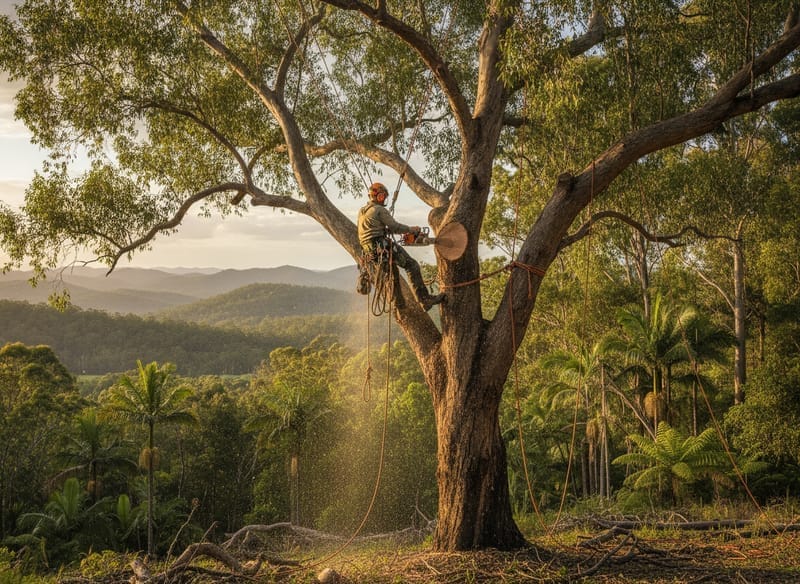
Removing deadwood prevents unpredictable branch drops during high winds.
Strategic thinning allows natural light into your home without harming the tree.
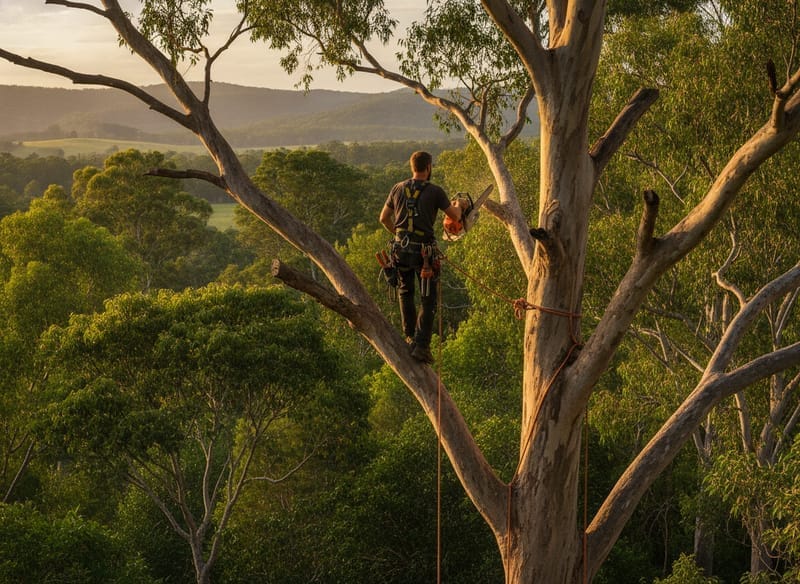
We identify the tree species and its specific structural needs.
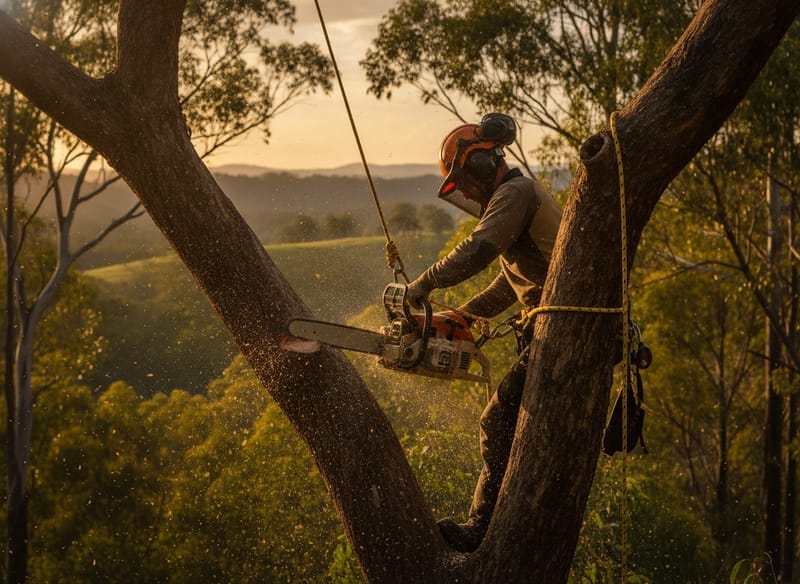
Our climbers use precision cuts compliant with Australian Standards.
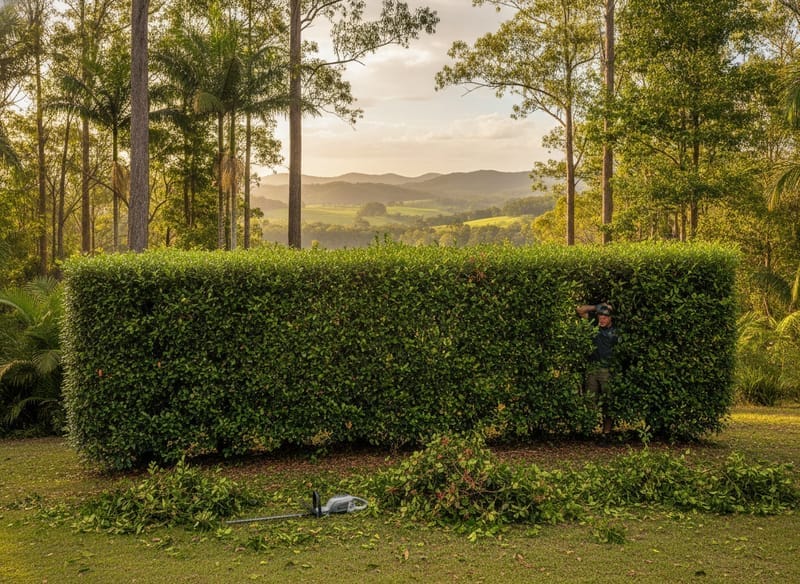
All foliage and branches are chipped and removed from the site.
Welcome to Hobart Arborist. If you own property on the eastern foothills of kunanyi / Mount Wellington, you know how crucial proactive canopy care is. Delivering professional Tree Pruning South Hobart property owners can trust is our core business. Whether you have an established English oak shading your heritage home, or a stand of white peppermint requiring canopy reduction to manage wind load, our team of qualified arborists has the expertise to do it right.
South Hobart's steep terrain, terraced gardens, and exposure to strong westerly winds mean that tree pruning isn't just about aesthetics; it is a critical safety and property maintenance measure. We help you retain the environmental and historical value of your trees while ensuring they remain structurally sound. We are your local climbing arborists, bringing decades of experience, rigorous safety standards, and deep local knowledge to every single cut.
There is a massive difference between genuine tree preservation and destructive lopping. Unfortunately, we regularly see the aftermath of under-qualified operators across Hobart. Techniques like topping or heavy lopping leave massive branch stubs that cannot heal. These open wounds invite rot and disease, while the tree responds by aggressively pushing out weak, epicormic growth. In our cool temperate maritime climate, where strong westerly frontal systems batter the slopes, these weakly attached branches are the first to snap and fail during a winter storm.
DIY pruning poses an equally high risk, particularly on the steep, access-limited blocks common around here. Without proper climbing gear, rigging equipment, and anatomical knowledge of how a tree compartmentalises decay, homeowners often cause irreversible damage or put themselves in serious danger.
At Hobart Arborist, our approach is entirely different. We are trained, AQF-qualified arborists who prune strictly in accordance with AS4373 (Pruning of Amenity Trees). Every cut is made cleanly at the branch collar, allowing the tree to heal naturally. We never remove more than the recommended maximum of live foliage, ensuring your Tasmanian blue gums, elms, and planes retain their structural integrity, vigour, and natural form.
We offer a comprehensive range of pruning techniques to manage everything from young street plantings to massive heritage-listed canopy trees.
We selectively remove small, live branches throughout the canopy to reduce wind resistance and improve light penetration. This is highly effective for large eucalypts on exposed slopes, removing no more than 25–30% of the live foliage to preserve the tree's natural form and health.
We carefully remove lower branches to increase the clearance under the tree. This is essential for providing safe access over driveways, footpaths, or maintaining sightlines on steep, narrow Hobart streets without compromising the upper canopy.
We methodically climb and remove dead, dying, diseased, or broken branches. In high-target areas over houses, decks, or children's play spaces, deadwooding is a critical safety measure that prevents unpredictable limb failure during heavy wind events.
Designed for young and newly planted trees, we prune to establish a strong structural framework. By encouraging a single dominant leader and well-spaced scaffold branches early on, we prevent major structural defects as the tree matures.
This involves addressing specific, localized issues, such as branches rubbing against a roofline, clearing service wires, or removing a problematic co-dominant stem. Every cut is targeted to resolve the conflict while minimizing the impact on the tree.
Used sparingly and carefully, we shorten branches back to a lateral branch of suitable size to reduce the overall height or spread of the tree. This is a highly technical alternative to topping that maintains structural integrity.
Delivering expert Tree Pruning South Hobart residents recommend requires a seamless, professional process from the very first phone call to the final sweep.
Tree work on the steep slopes of Mount Wellington demands absolute professionalism. Our team consists of AQF Level 3 qualified climbing arborists and AQF Level 5 consulting arborists. We have the technical skills to climb safely and the theoretical knowledge to assess complex tree health.
All our pruning operations comply strictly with AS4373, and we adhere to AS4970 when working around development sites and retained trees. Safety is non-negotiable for us. Our business is fully covered by comprehensive Public Liability insurance and Tasmanian WorkCover. From navigating the Landslip Hazard Code to utilizing certified rope-access gear and holding current Working at Heights tickets, we bring complete peace of mind to your property.
When it comes to Tree Pruning South Hobart locals know that our unique terrain requires genuine expertise. Our service area climbs the foothills of kunanyi, characterised by steep, shallow dolerite soils, narrow winding streets, and terraced blocks that often lack rear vehicle access. This is exactly where our advanced rope climbing (SRT/DRT) and rigging skills are essential, as EWPs and heavy machinery simply cannot reach many backyards.
We also manage a unique canopy mix here, blending dry sclerophyll species like white peppermint and stringybark with grand, century-old garden plantings like English oak and elm. Navigating the local council regime is critical. While everyday garden pruning is usually exempt, work on trees listed on the City of Hobart Significant Tree Register or within precincts covered by the Local Historic Heritage Code is strictly controlled. Pruning to improve health is permitted without a permit if normal growth isn't retarded, but significant reduction requires approval. Our AQF Level 5 arborists provide the required reports to satisfy the scheme and keep your property compliant.
Proper pruning sets your tree up for long-term health, but a little post-care goes a long way. After our team has finished, we recommend ensuring the soil around the structural root zone remains moist, especially during dry Hobart summers, to help the tree recover from canopy reduction.
Applying a layer of organic mulch helps retain moisture and regulate soil temperatures in our shallow dolerite soils. Keep mulch pulled slightly away from the trunk to prevent collar rot. Monitor the tree over the next growing season for any signs of unusual epicormic growth. We recommend a proactive inspection every 2 to 3 years to address minor deadwood before it becomes a hazard. If you notice any sudden decline, call our team immediately.
Pruning costs depend on the complexity of the canopy and access to the tree.
We'll view the tree and provide a clear, itemised quote for the exact pruning required.
We provide expert pruning in:
Call our expert arborists for a free assessment in South Hobart.
Request a Pruning Quote